Reading Wear: A Step-by-Step Method to Understand a Place from Its Marks
Why look at wear?
Wear is a direct record of use. The shiny spot on a handrail, the polished crescent on a shop threshold, the groove worn into a concrete curb — these are traces of repeated action, weather, and small design choices. Reading them is a way to learn how a place functions without needing interviews, permits, or equipment. The following method is designed to be low-tech and repeatable: observe carefully, note patterns, and test hypotheses with small experiments.
Step-by-step method
-
Choose a confined patch of place.
Pick a single bench, a street corner, a shop threshold, a stair flight, or a bus stop. Working small keeps the task manageable and helps you see nuance.
-
Make a quick sketch or mental map.
Note key materials (wood, metal, concrete, asphalt, tile), fixed elements (benches, bollards), and obvious movement lines (paths, openings). Don’t worry about precision—this is about relationships and circulation.
-
Survey visible marks systematically.
Work around the patch in a clockwise loop. Record scuffs, polished edges, discoloration, chips, displaced gravel, accumulations of dirt, and vegetation in joints. Describe each mark: location, size, shape, directionality (linear groove vs circular polish), and material affected.
-
Sequence the traces.
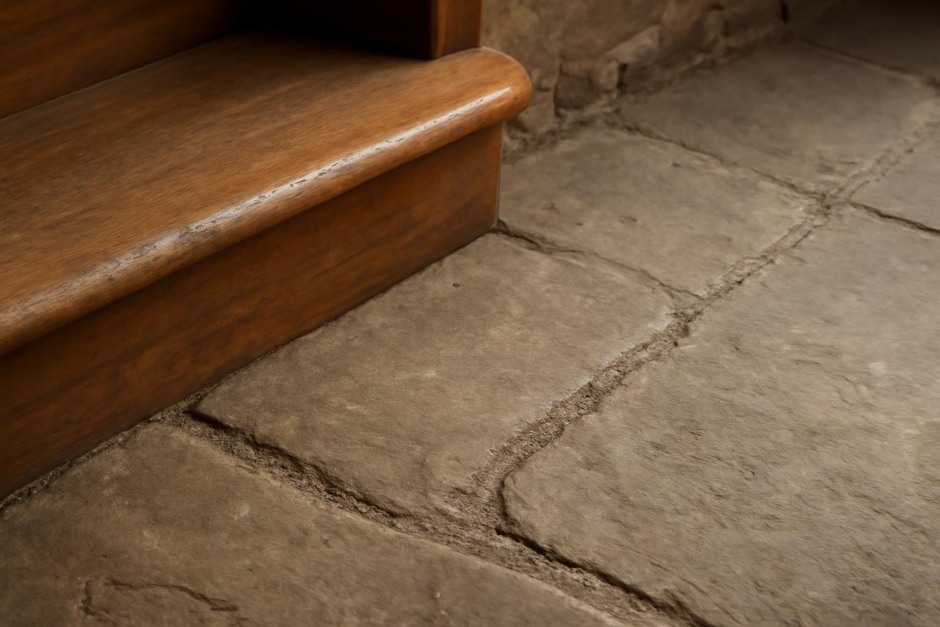
Ask which marks are oldest and which are newest. Edge rounding, patina, and embedded grit often indicate older wear; crisp scuffs or fresh scrapes are recent. Overlapping marks can suggest changes in use—an old groove crossed by a newer polish, for example.
-
Infer likely actions and agents.
Translate marks into behaviors: a worn strip along a wall suggests repeated shoulder contact, a crescent on a threshold implies feet pivoting, and parallel grooves in stone often point to bicycle tires or wheeled carts. Consider non-human agents too: rain channels, plant roots, and freeze–thaw cycles leave distinct traces.
-
Test a small hypothesis.
Design a minimal test you can perform without interfering with the place. For instance, walk the suspected line of travel at different paces or with different objects (a bag, stroller, bicycle wheel) and note comfort, sightlines, and awkward moments. A short, respectful test can validate or challenge your reading of the marks.
-
Record and reflect.
Write a few sentences synthesizing what the marks reveal about movement, social use, maintenance practices, and time. Photographs from two consistent viewpoints (plan and an oblique detail) help later comparison.
Small examples that clarify the method
- Cafe threshold: A crescent of polished stone just inside a doorway often shows where customers pivot while waiting. The wider the crescent, the more sidewise standing or queuing has occurred.
- Bus stop bench: A bright patch in the center of a darkened plank suggests frequent single-person occupancy and may imply informal seat reservation by habit.
- Sidewalk curb: Two parallel shallow grooves worn into a curb face can indicate where bicycle riders mount the pavement more than pedestrian shortcuts.
Variations
- Scale up: Apply the same steps to a block or small square. Focus on repeated patches rather than every detail: where are clusters of wear? Do they form movement corridors across the larger site?
- Material emphasis: Repeat the study concentrating on one material across many places (wood benches, metal railings, stone steps) to compare how the same action produces different marks depending on material hardness and finish.
- Temporal repeat: Return seasonally or at different times of day to see how wear interacts with weather and routine. A muddy patch in winter may become a polished path in summer.
Troubleshooting
- Too few marks: If a place shows little wear, broaden your scope in time and space. Newer surfaces will be less marked; look for indirect clues like the presence of temporary fixtures, recent repairs, or discouraged shortcuts marked by signage.
- Confusing overlays: When multiple marks overlap (e.g., tire grooves over salt-scarred stone), prioritize reading the most persistent features: rounded edges and embedded grit often outlast surface scratches.
- Seasonal masking: Snow, fallen leaves, or street cleaning can hide persistent patterns. If possible, make notes or photos pre- and post-cleaning to reveal the hidden traces.
- Ethical caution: Do not mark, remove, or otherwise alter the traces you are studying. Tests should be non-invasive and respectful of property and other people’s use.
Reading wear trains you to notice the accumulated conversation between people, materials, and time. It’s a small practice with big returns: in a single polished spot you can learn routes, habits, and the quiet compromises that shape everyday places.