A Small Habit to Notice Thresholds: Observing Transitions Between Places
Problem: Why thresholds often go unnoticed
Most people pass through thresholds — doorways, gates, curbs, the edge of a park — dozens of times a day without registering them. Yet these small moments of transition control movement, set expectations, and accumulate into how a place feels. When thresholds are overlooked, we miss how materials, scale, and arrangement shape behavior: a worn step can invite pause, a low lintel can make a room feel intimate, an open threshold can dissolve the boundary between public and private.
For beginners in place observation, the difficulty is practical: where to start and what to look for. The routine below reduces the task to five minutes and a few reliable cues you can repeat anywhere.
Principles: How thresholds work
These simple principles explain why certain transitions feel right and others feel awkward. Use them as a checklist when you look.
1. Change in scale and proportion
Thresholds often mark shifts in size: the height of a door frame, the width of a path, the ceiling height beyond an entry. Small changes in scale set expectations — a lower ceiling encourages slowing down, a wide opening suggests invitation.
2. Material and texture
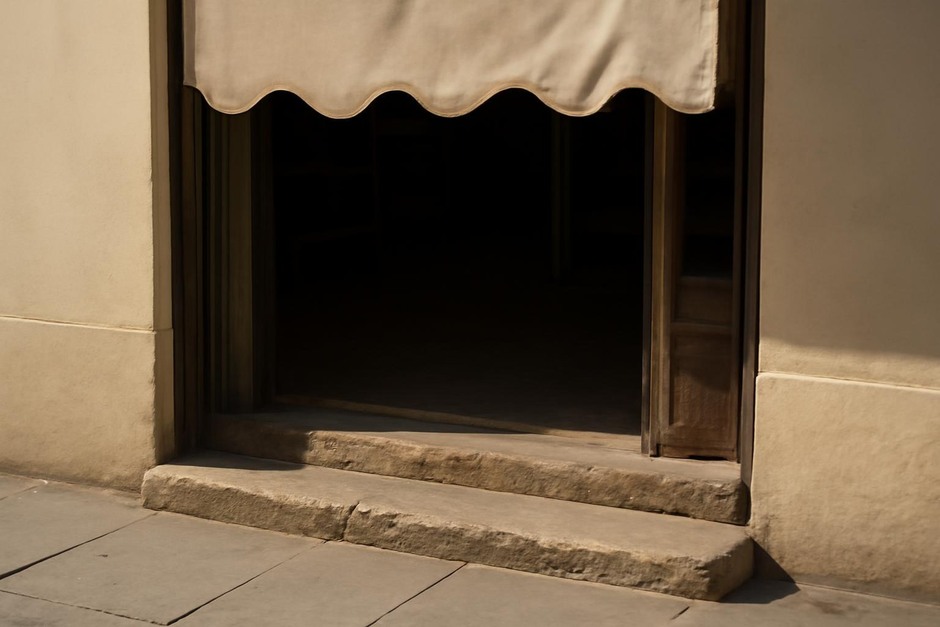
Materials at the threshold signal care and purpose. A durable stone step reads differently from a painted curb; a threshold lined in wood warms the hand and eye, while smooth metal feels industrial. Look for where materials meet and how they resolve differences in level.
3. Visual cues and sightlines
What you can see from the threshold matters. A clear view into a room or street invites entry; a partial screen, screen door, or hedge creates curiosity and privacy. Thresholds can frame what lies beyond, acting as a short-lived picture window.
4. Movement and pause
Some thresholds encourage flow; others encourage an automatic pause. The presence of a landing, step, or a place to stand naturally slows movement. Repeating small pauses at thresholds creates a rhythm in how we experience place.
5. Acoustic and microclimate changes
Pay attention to sound and temperature. Entering a courtyard may muffle traffic and add birdsong; stepping inside a shop often shuts out wind. These sensory shifts contribute to the sense of crossing a boundary.
Examples: Three quick readings
Below are short readings you can try in different settings. Each is designed to take a minute or two.
- Street to storefront: Stand at the threshold of a small shop. Note the height of the step, presence of a threshold plate, and whether the door opens fully or is held back. Does the shop use signage or a clear display to draw the eye? Is there a place to pause without blocking the entrance?
- Garden gate to courtyard: Approach slowly. Observe what the gate frames: a tree, a bench, a paved pattern. Feel for changes underfoot and listen for different sounds. Does the gate create privacy or an expectation of welcome?
- Hallway to living room (interior): From the hallway, note sightlines and ceiling height. Is there a deliberate change in flooring or lighting? Do furnishings near the threshold invite seating or movement through? Small adjustments here often tell you how the space is intended to be used.
Practice checklist: a five-minute routine you can repeat
Use this short, repeatable sequence whenever you have a few minutes. It trains attention and builds memory of places.
- Approach (30–60 seconds): Walk to the threshold at a normal pace. Don’t stop immediately; notice the first impression as you arrive.
- Pause and take a breath (10 seconds): Stand on the threshold or just outside it. Breathe and register any immediate sensory changes: light, sound, temperature.
- Look for three things (1–2 minutes): Pick one item from scale, material, and sightline. Make a quick mental note or jot one word—”low ceiling,” “stone step,” “framed bench.”
- Touch or test (10–20 seconds): If appropriate, run your hand along a surface or step onto a threshold to feel changes underfoot. This clarifies material and level transitions.
- Decide the effect (30 seconds): Ask: does this threshold invite, deter, slow, or frame? Choose one verb and keep it as your summary.
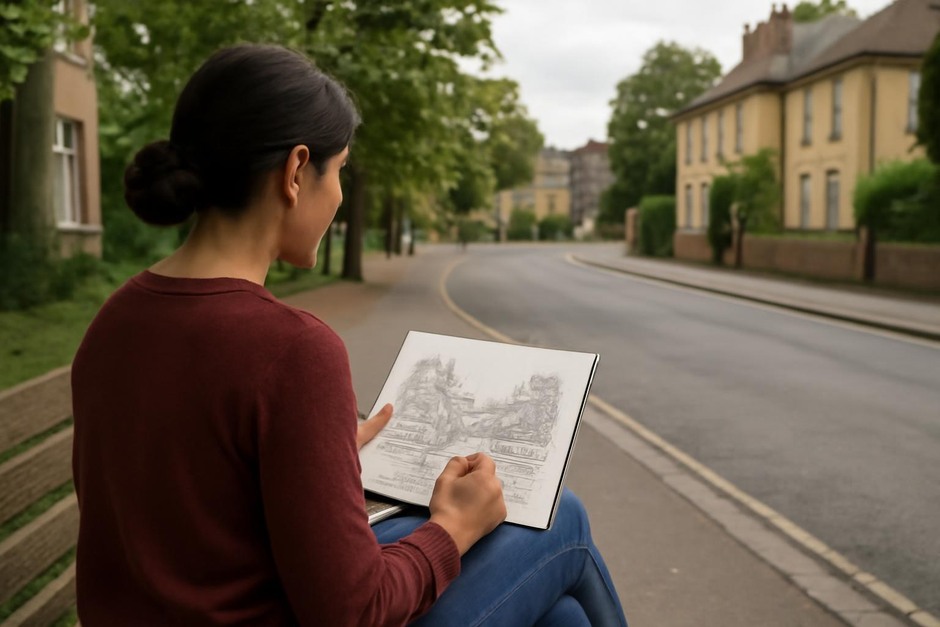
- Record once a day (optional, 1–2 minutes): Keep a small notebook or a single photo. Over time you’ll notice patterns: certain materials or widths that recur in a neighborhood, for instance.
Doing this short routine once a day or a few times a week trains you to see thresholds as active parts of a place’s design. The skill is small but cumulative: after a few weeks, you’ll start recognizing the quiet decisions that shape how we move and feel in ordinary spaces.